
The Allure of Gambling: Why Do People Play?
The irresistible allure of gambling in casinos can be attributed to a mix of thrill, escapism, and social interaction. Many individuals are drawn to the excitement of risking money for a chance to win big. This thrill is not just about the monetary reward; it also releases dopamine, a neurotransmitter associated with pleasure and reward. This neurochemical reaction can create a cycle where the player seeks the same high, often leading to repeated visits to casinos.
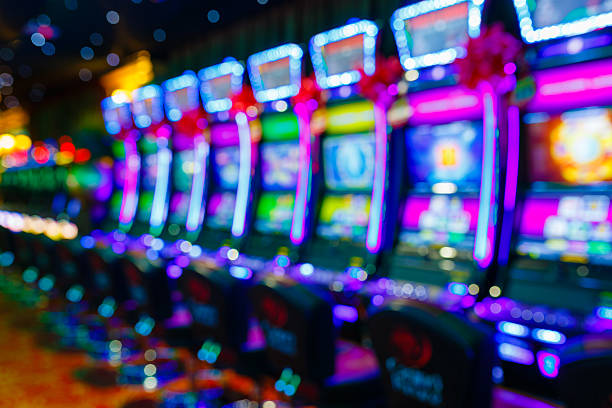
Additionally, casinos are designed to be enticing environments. From the vibrant lights and sounds to the layouts that encourage exploration, every aspect is crafted to keep players engaged. This atmosphere can create a sense of community, as individuals often bond over shared experiences at gaming tables. The social component of gambling can also play a significant role, as people enjoy the camaraderie that comes from playing together.
However, the psychological effects of gambling can lead to problematic behavior for some. The excitement can quickly morph into compulsion, where individuals find themselves chasing losses or seeking the thrill they once felt. Understanding this underlying psychology is essential for grasping why people are drawn to gambling and how it affects their behavior over time.
The Role of Cognitive Biases in Gambling
Cognitive biases significantly influence gambling behavior, causing individuals to misjudge their chances of winning. One common bias is the illusion of control, where players believe they can influence the outcome of random games. For example, a player might think that their strategies in a game of chance will lead to better outcomes, even when the odds are mathematically against them. This belief can lead to increased gambling activity, as they feel empowered to change their fate.
Another prevalent cognitive bias is the gambler’s fallacy, which is the misconception that past outcomes influence future results in random events. For instance, if a roulette ball has landed on red several times, some players might believe that black is “due” to come up next. This kind of thinking can lead to erratic betting patterns, where gamblers increase their stakes based on unfounded beliefs about chance.
These cognitive biases can have profound effects on a player’s gambling decisions. They contribute to a cycle of unrealistic expectations and continued play, which can be detrimental in the long run. Recognizing and understanding these biases can help individuals make more informed decisions regarding their gambling activities.
The Impact of Emotions on Gambling Behavior
Emotional states play a crucial role in gambling behavior, influencing decisions and outcomes. Many players turn to gambling as a way to cope with negative emotions such as stress or anxiety. This escapism can provide temporary relief, leading individuals to gamble more frequently in hopes of alleviating their emotional distress. Over time, however, this behavior can spiral into a reliance on gambling as a primary emotional outlet.
Conversely, positive emotions can also drive gambling behavior. The excitement of winning can amplify the desire to continue playing, creating a feedback loop where players seek out more wins to replicate that high. Celebrations and victories often lead to a heightened sense of invincibility, causing gamblers to underestimate risks and overestimate their abilities.
Understanding the interplay between emotions and gambling can be pivotal for both players and industry professionals. Recognizing when emotions drive decisions can lead to healthier gambling practices. By fostering awareness, individuals may be able to manage their emotional relationships with gambling, making more rational choices and ultimately enjoying a more balanced experience.
The Influence of Environment and Design in Casinos
The physical environment of a casino is meticulously designed to enhance the gambling experience and encourage prolonged engagement. Features like open layouts, strategic placement of games, and sensory elements such as sound and light all contribute to a stimulating environment. This design not only captivates players but also subconsciously influences their behavior, making it challenging for them to leave.
Additionally, casinos often employ various marketing strategies to further entice players. Promotions, loyalty programs, and free incentives create a sense of value that can make it hard for individuals to resist continuing their play. These strategies can heighten the perceived excitement of gambling, masking the potential financial risks involved.
Understanding the influence of casino design and environment on player behavior is vital for both players and operators. By recognizing how these factors impact gambling decisions, individuals can develop a more mindful approach to their gaming experiences, potentially mitigating harmful behaviors while still enjoying the thrill of play.
Conclusion: Insights from Understanding Gambling Psychology
Understanding the psychology behind gambling behavior in casinos is essential for various reasons. It not only helps individuals recognize the cognitive and emotional factors at play but also allows operators to create a more responsible gaming environment. Knowledge of biases and emotional influences can empower players to engage more thoughtfully with gambling, reducing the risk of addiction and promoting healthier practices.
Furthermore, this understanding opens up avenues for support systems and interventions aimed at those who may struggle with their gambling habits. By fostering awareness and education, both players and industry professionals can work together to create a more sustainable gambling culture.
As players become more informed about their behavior and its psychological underpinnings, they can navigate the complex world of casinos with greater awareness. This understanding not only enhances their experience but also fosters a sense of responsibility in how they approach gambling, leading to a healthier relationship with this popular pastime.